
Skip to content
Fluxfor investors
For seed to Series B funds backing B2B businesses

You know which companies are behind plan.
Flux shows you why, and what to fix first.

CRM data, financials, market position and the founder's view, read together and reviewed by an operator. Ranked by where to step in, with the evidence behind each call.

Pilot: up to 5 companies · A$4,950 + GST · 3-4 weeks · 2-3 hours per founder

Sample review · fictional companies, illustrative scores.

Rank the companies. See where to step in first.

01 / The portfolio view

Three companies behind plan. Three different reasons.

Your monitoring tool shows the numbers. The review explains them: where to step in first, the evidence behind each call and patterns across the fund.

Quillon

Seed · Legal tech · A$0.9M ARR
34At risk
Main constraint · Sales motion

The CEO still sources and closes almost every deal.

  • CRM export92% of closed-won sourced and closed by the CEO
  • CRM export14% win rate on non-founder deals vs 38% founder-led
Next actionNarrow to one segment and document the founder's sales process before hiring an AE.
Mosswood Pay

Series A · Fintech · A$3.2M ARR
45Developing
Main constraint · Retention & expansion

Net revenue retention is 96%. Nobody owns expansion.

  • CRM export0 of 38 upsells in two quarters started by customer success
  • Market scan4 of 5 close competitors price on usage
Next actionName an expansion owner and add a usage-based upgrade trigger.

Larkspur HR

Seed · HR tech · A$1.4M ARR
47Developing
Main constraint · Retention & expansion

Renewals surface 21 days out, too late to save accounts.

  • Financials18% gross revenue churn over 12 months
  • CRM exportMedian renewal opened 21 days before term end
Next actionReview every account 90 days before renewal with a three-signal health score.

Sample review · fictional companies, illustrative scores.

Two of these three companies are held back by retention and expansion. One portfolio session can address both, instead of two separate fixes.

02 / Inside the diagnosis

The reason behind the recommendation.

Open a company to connect the slowdown to its root cause, inspect the sources and agree what to fix first.

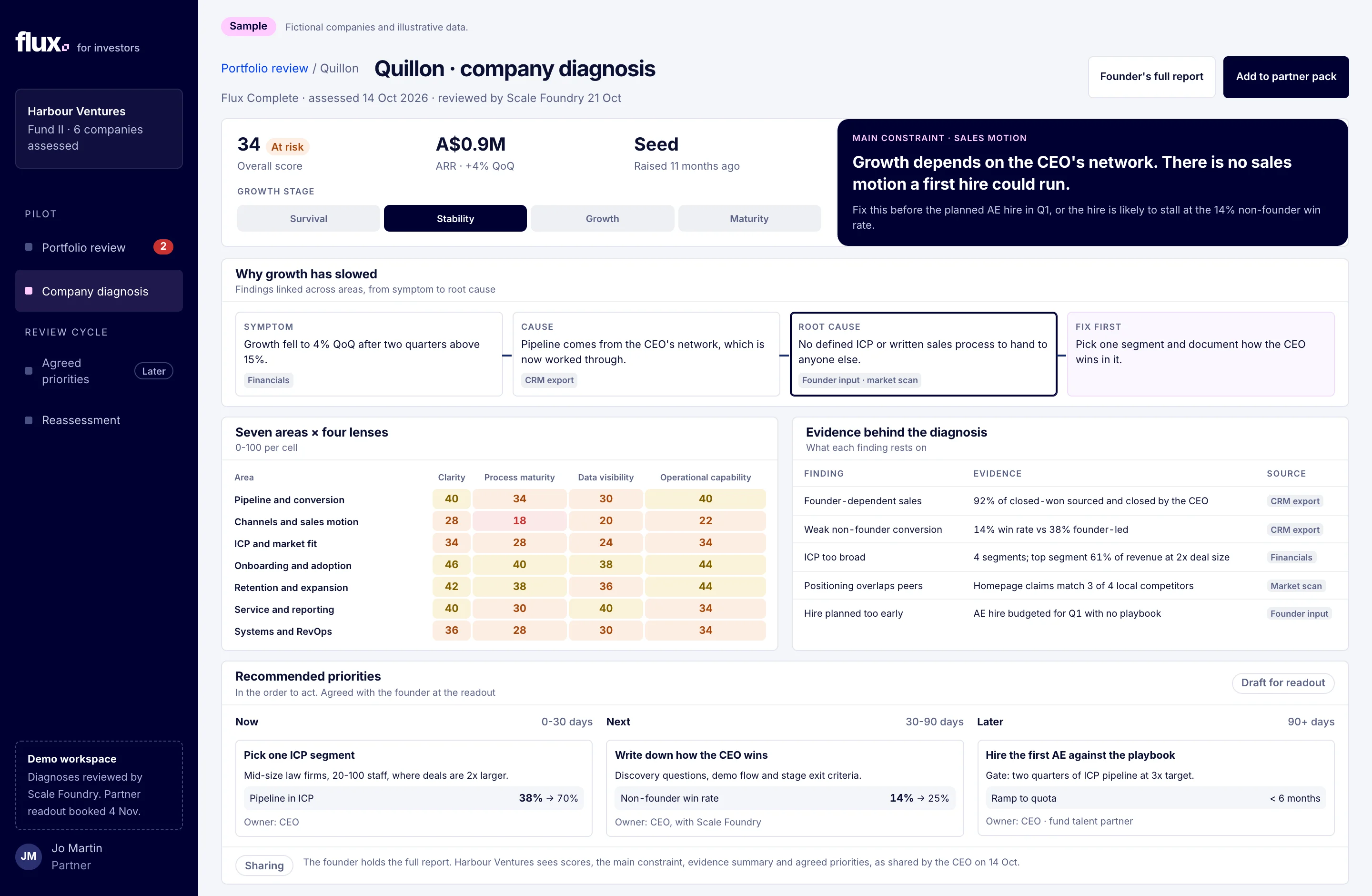
Quillon company diagnosis: growth constraint, symptom-to-root-cause chain, seven areas by four lenses, evidence sources and now/next/later priorities.View full size
Select the image to enlarge and zoom.
  1. Root cause

    See how the findings connect across the revenue engine.

  2. Evidence with sources

    CRM data, financials, founder input and market research behind each finding.

  3. Seven areas × four lenses

    A consistent view of the strengths and gaps holding growth back.

  4. Now, next and later

    Priorities with an owner, a measure and an order to act.

03 / Baseline to progress

Diagnose. Act. Reassess.

  1. Set the baseline

    Assess each company's revenue engine and operating metrics. Identify the constraints and record the starting point.

  2. Agree the priorities

    Review the findings with partners and founders. Choose the actions, owners and measures.

  3. Reassess over time

    Compare fresh evidence with the baseline. On the annual plan, re-measure every 6 or 12 months - your choice - to explain movement and update the priorities.

What founders get

A growth plan they'll want, not another reporting request. Free to the founder - your fund covers it. They get their full Flux Complete report, a prioritised plan and a 30-minute readout.

What it takes

2-3 hours over two weeks for the initial assessment, a CRM export and recent financials. Focused updates at each reassessment.

What the fund sees

Scores, the main constraint, an evidence summary and agreed priorities. The founder approves what is shared and holds the full report. Over time, you build a documented baseline and progress record for each company - evidence of your support, ready for LP reporting.

04 / The method

A fixed framework.
An operator's judgement.

Scale Foundry's operators build and review every diagnosis, bringing experience in B2B go-to-market and revenue operations.

Who does the work.

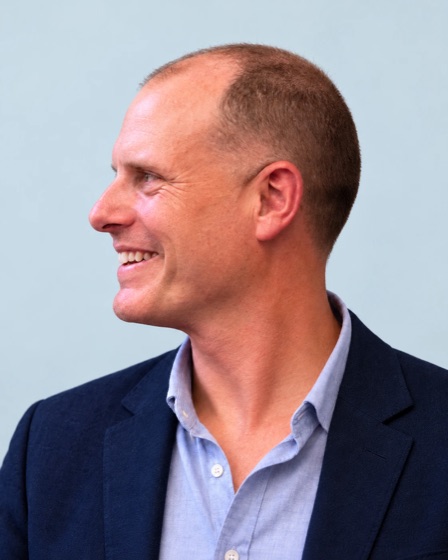
  • Adrian Lowe, co-founder of Scale Foundry

    Adrian Lowe

    Co-founder, Commercial and GTM

    20+ years building go-to-market from the ground up in early-stage tech across Silicon Valley and Australia, including PaperCut and carsales.com.au.

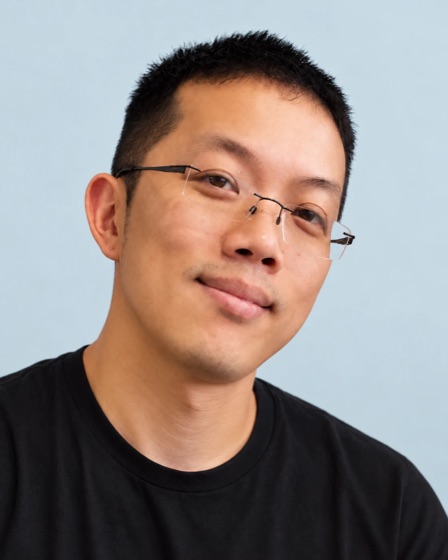
  • Marty Schneider, co-founder of Scale Foundry

    Marty Schneider

    Co-founder, Customer Operations

    Two decades setting up and scaling customer success, revenue operations and service delivery, including at MYOB and Intuit.

About Scale Foundry

Seven areas of the revenue engine

  1. Pipeline and conversion
  2. Channels and sales motion
  3. ICP and market fit
  4. Onboarding and adoption
  5. Retention and expansion
  6. Service and reporting
  7. Systems and RevOps

Four lenses on every area

  • Clarity
  • Process maturity
  • Data visibility
  • Operational capability
Growth stage
Survival, Stability, Growth or Maturity: recommendations fit the company's stage.
Research and synthesis
Market research, company data and founder input read together. AI supports the research and synthesis.
Human review
A Scale Foundry operator reviews the findings and recommendations before they reach the founder or fund.
05 / The investor pilot

Start with up to five companies.

One portfolio price, paid by the fund. Free to every founder.

Pilot pricing

For our first three funds. Fund-paid, free to founders.

Founding pilot

A$4,950 + GST

For up to 5 companies, paid by the fund.

Included in the pilot

  • Every company diagnosis, reviewed by a Scale Foundry operator
  • The portfolio review, with ranked priorities and patterns across the fund
  • A 60-minute partner readout
  • A 30-minute readout with each founder

100% credited to an annual plan signed within 60 days.

After the pilot

Annual plans from A$12,000 + GST a year for up to 10 companies. Re-measure each company every 6 or 12 months - your choice - with a portfolio review after each round. Free to every founder.

Delivered in the pilot

  • Company diagnoses and full founder reports
  • Portfolio review and partner readout
  • Founder readouts and agreed priorities

Where it goes next

  • Continue with a fund-wide annual plan
  • Re-measure every 6 or 12 months, your choice
  • Review what moved and refocus your support
Initial turnaround
3-4 weeksfrom founder kick-off
Founder time
2-3 hoursover two weeks
Best fit
B2B SaaS, seed to Series B, at least A$500K ARR
06 / Before you join

A few practical questions.

We already use a portfolio monitoring tool. How is this different?

Keep it. Tools like Carta, Standard Metrics and Visible collect the numbers and handle LP reporting. Flux works on what sits underneath: why a company's revenue is moving, the evidence behind it, and what to fix first, reviewed by an operator. Your tool shows a number moved. Flux explains why.

Is there a dashboard?

It's being shaped with our founding pilot funds. In the pilot, you get the portfolio review and company diagnoses as reports and readouts. Pilot funds see the dashboard first and help decide what it shows.

What changes at each reassessment?

We compare scores and operating metrics with the baseline and previous assessment, investigate the likely drivers, and update the priorities. On the annual plan, you choose to re-measure every 6 or 12 months, with a portfolio review after each round.

What does a pilot cost?

The founding pilot is A$4,950 + GST for up to 5 companies, paid by the fund, for our first three funds. It is 100% credited to an annual plan signed within 60 days.

Does this cost our founders anything?

No. The fund covers it. Founders get their full report and a readout, and choose what the fund sees.

How do I introduce this to founders?

As support, not monitoring. The fund covers it, founders get an operator-reviewed diagnosis and plan they'd normally pay for, and they choose what the fund sees.

What do founders share?

Founder input, a CRM export and recent financials. They receive the full report and approve the scores, evidence summary and priorities shared with the fund. Data is never shared with other funds or companies.

How is company data handled?

Company data is held in Scale Foundry's business account on Google's secure cloud infrastructure, and only the Scale Foundry team working on the diagnosis can access it. AI tools support the research and synthesis under business terms that don't use your data to train models, and nothing is ever shared with other funds or companies. Data is deleted 12 months after the pilot ends unless you continue on an annual plan, or sooner on request, and we're happy to sign a mutual NDA before anything is shared.

Which companies are a good fit?

B2B SaaS, seed to Series B, with at least A$500K ARR. We'll discuss fit during the demo.

Request a demo

See a sample portfolio review. Then pick the five companies you'd start with.

We'll walk you through a sample portfolio review and company diagnosis, and discuss a pilot across up to five of your companies.

  1. Walk through a portfolio review and company diagnosis.
  2. See how the baseline and reassessment work together.
  3. If it fits, agree the pilot scope for your fund.
We'll use your details only to arrange the demo. See the privacy note.

Fictional companies and illustrative data

Fit
Full-size sample portfolio review

Choose Read to enlarge the text, then scroll across the image. Press Escape to close.